The Magazine
Craft7 min read
The Only Brushes That Have Earned a Spot on My iPad
After years of buying every pack that trended, I use maybe six. Here they are and, more useful, why the rest got deleted.
MO
Maya Okafor
Contributing Artist ·
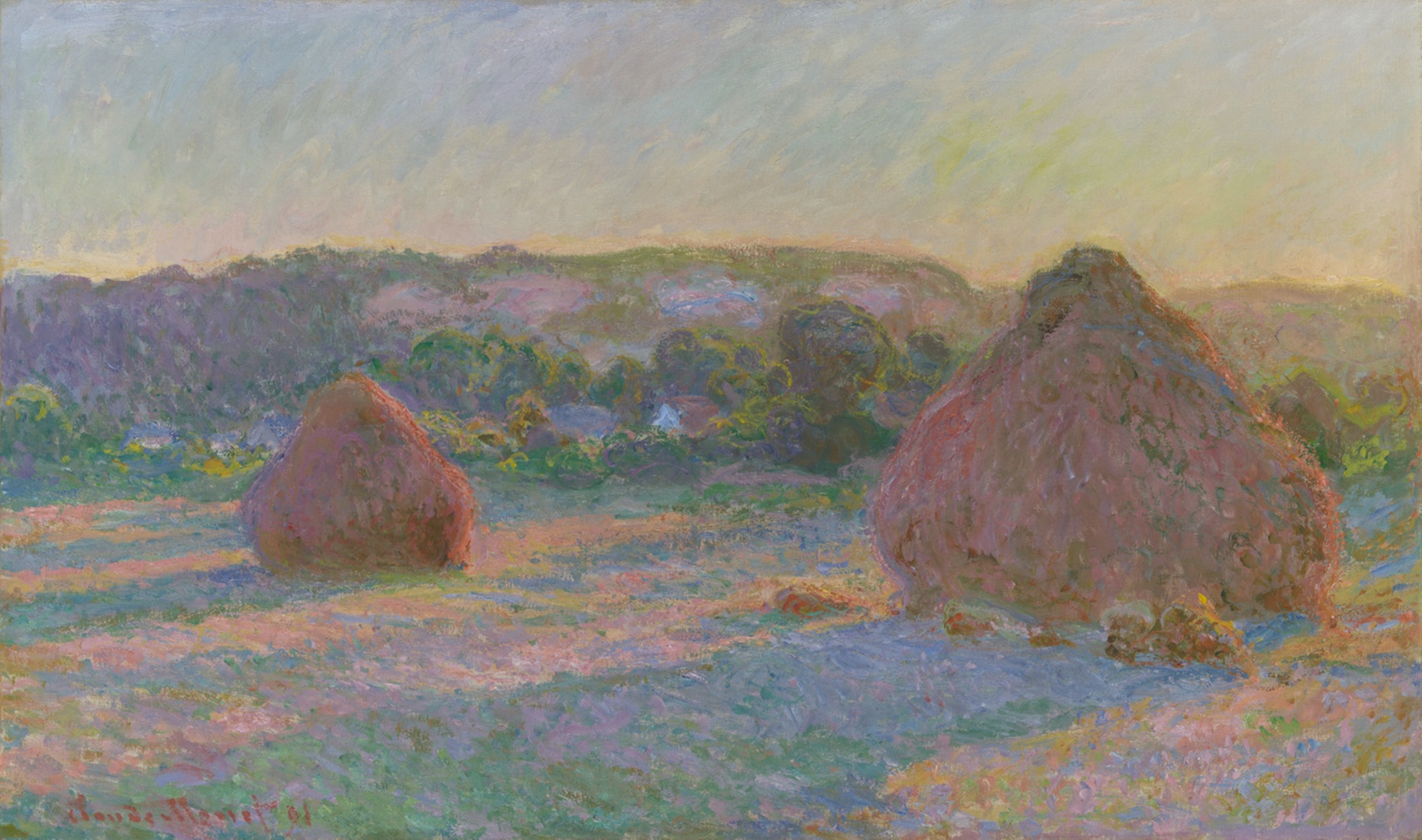
A brush pack is a promise that your work will look like the demo. It never does, because the demo was made by someone who already knew what they were doing. The brush was never the difference.
What survived the cull
- A hard round for drawing and a soft round for blending. Ninety percent of everything.
- One dry, grainy brush for texture. It does the work of making digital look handmade.
- A flat chisel for lettering and confident edges.
- A single dual-tone brush that lays down two colors at once, which is the trick behind a lot of botanical work.
- One noise brush for grain, used at low opacity so it whispers instead of shouts.
Milena Milak, who is teaching texture at the Two Tap Summit, puts it well: the goal is digital work that does not announce itself as digital. That comes from restraint, not from a bigger library.
The brush does not make the mark. Your hand slowing down does.Maya Okafor
BrushesProcreateTexture
Liked this? The next one lands in your inbox.
Join the free Collective Dispatch. One focused email every other Tuesday.